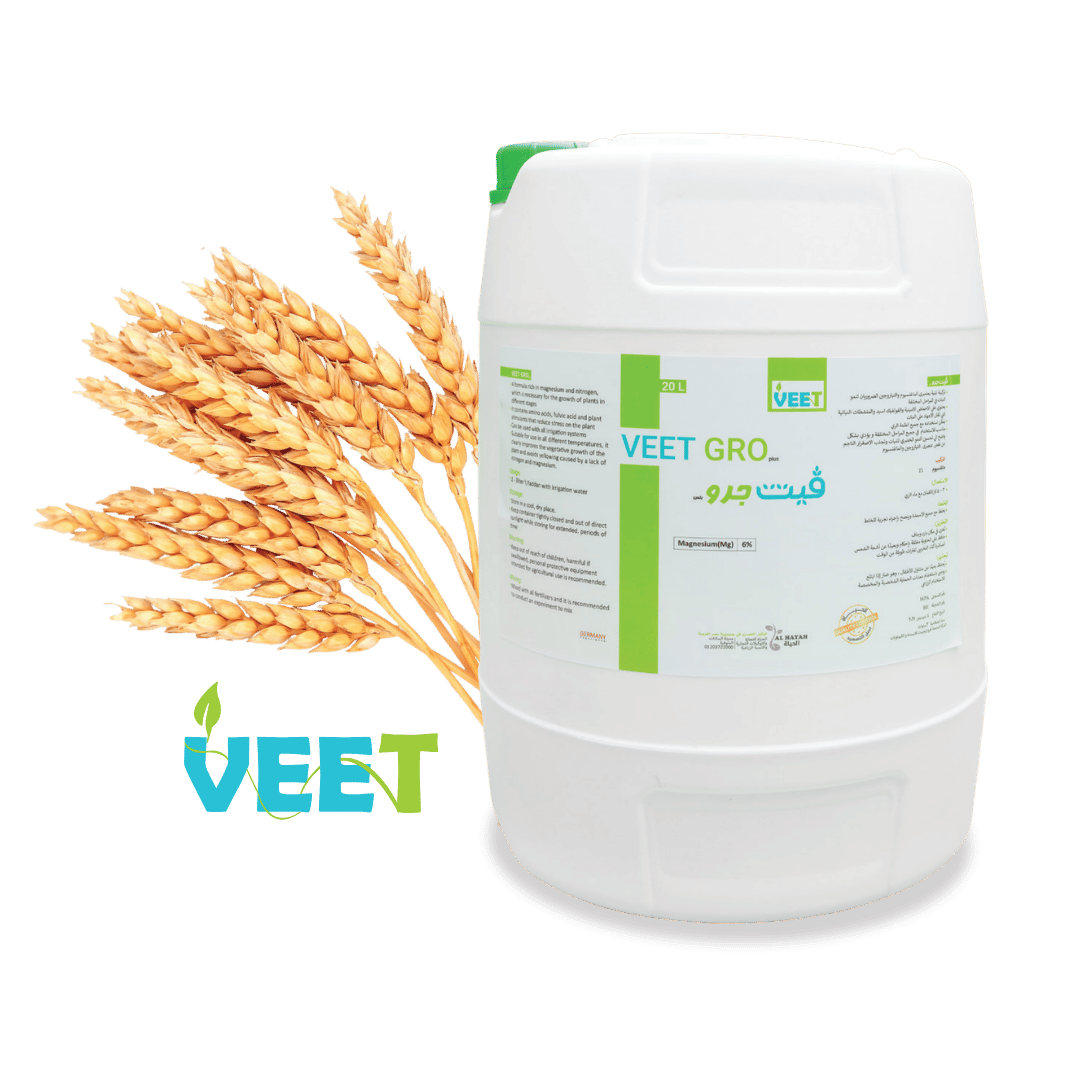
Potassium Citrate for Fruit Sizing and Quality
K Plus
Composition
Potassium: 40%
Application Rate
2.5 cm / liter as foliar spray on the vegetative growth.
Contains a high percentage of potassium in an absorbable form.
Plays a key role in balancing carbohydrates and nitrogenous compounds by reducing soluble nitrogen levels.
Improves fruit quality in terms of color, size, and sugar percentage.
Increases protein and starch formation in grains, potatoes, and sweet potatoes.
Suitable for all crops and helps treat potassium deficiency symptoms.
Source: Potassium Citrate
Potassium Citrate works physiologically during the fruit sizing stage through several pathways inside the plant and fruit, because potassium is mainly a “regulatory” element, not just a normal nutrient.
First: The Physiological Role of Potassium in Fruit Sizing
Potassium is responsible for:
* Regulating osmotic pressure inside cells.
* Activating more than 60 enzymes related to carbohydrate formation and transport.
* Controlling stomatal opening and closing, which improves photosynthesis efficiency.
During the fruit sizing stage specifically, the fruit becomes a strong sink for sugars.
Here, potassium increases:
* Sugar loading into the phloem.
* Movement of sucrose and amino acids from leaves to fruits.
* Water entry into fruit cells due to the osmotic potential difference.
The result:
An increase in:
* Cell expansion.
* Turgor pressure.
* Dry matter accumulation rate inside the fruit.
This is the scientific basis for increasing fruit size and weight.
Second: Why is Potassium Citrate Different from Other Sources?
Chemical compound:
Potassium Citrate
It is a salt formed from citric acid and potassium.
Citrate performs 3 important functions:
Improving Availability and Absorption
The citrate ion acts as a mild chelating agent, helping to:
* Keep some micronutrients in an available form.
* Reduce element precipitation in relatively alkaline water.
Improving Transport Efficiency Inside the Plant
Citrate indirectly enters the Krebs Cycle, which may support metabolic activity and energy production inside cells.
Lower Salinity Effect
Compared with sources such as:
* Potassium Chloride KCl
Potassium Citrate is:
* Lower in salt index.
* Gentler on roots and foliar application.
* Less likely to burn plant tissues.
This is very important during fruit sizing because the plant is under a high fruit load.
Third: Direct Effect on Fruit Quality
Increasing Total Soluble Solids TSS
Because potassium increases sugar transport to fruits.
Improving Color
Especially in:
* Tomatoes
* Peppers
* Grapes
* Strawberries
By improving the synthesis of:
* Lycopene
* Anthocyanins
* Carotenoids
Increasing Firmness
Through:
* Improving water regulation inside cells.
* Reducing rapid cellular rupture.
Best Time to Use
Best period:
From immediately after fruit set until fruit sizing is complete.
Because during this stage:
* Cell division happens first.
* Then rapid cell expansion follows.
Potassium has its strongest effect during the cell expansion stage.
Related Products
A variety of agricultural products designed to support growth, improve crop quality, and increase production.
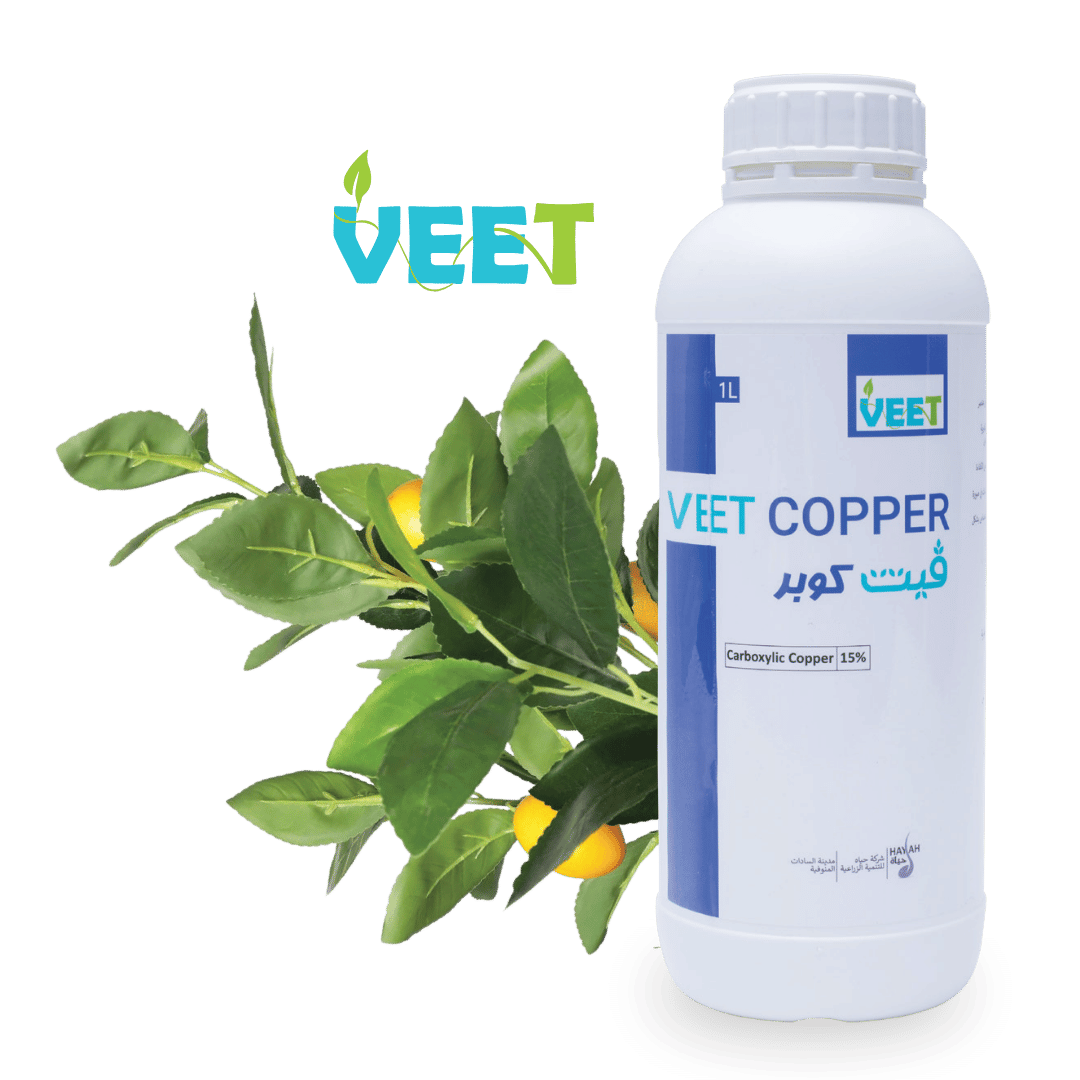
VEET Copper
Supporting plant immunity and disease resistance.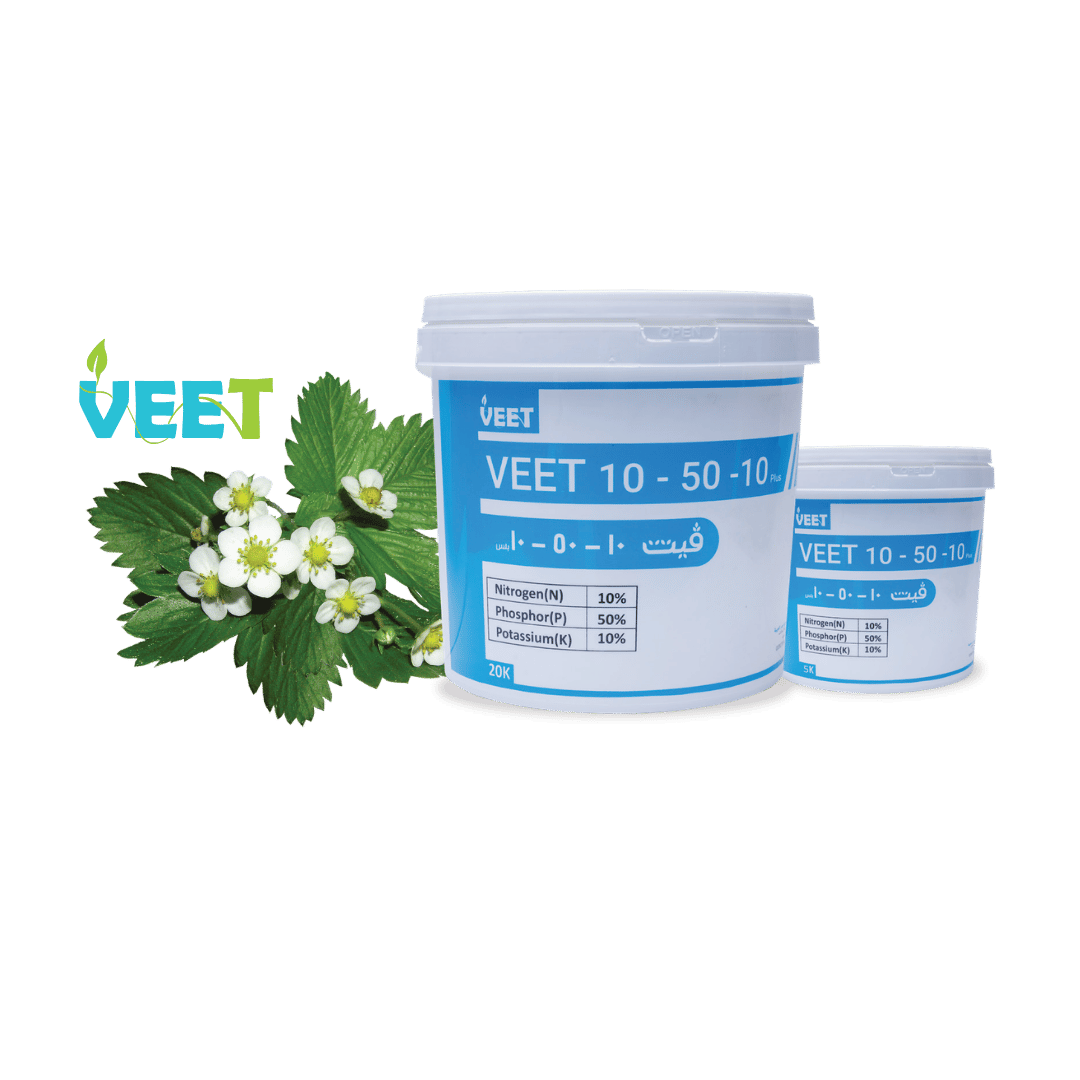
VEET 10-50-10 Plus
Supporting flowering, root strength, and fruit set.